.png)
How a Chiller Works to Maintain the Ideal Temperature in Equipment and Products

Maintaining the proper temperature in equipment and products is essential to ensure efficiency, safety, and quality. The chiller is a fundamental device in this process, as it cools water to control the temperature of the air and other systems. Understanding how it works helps to appreciate its importance in various industrial and commercial sectors.
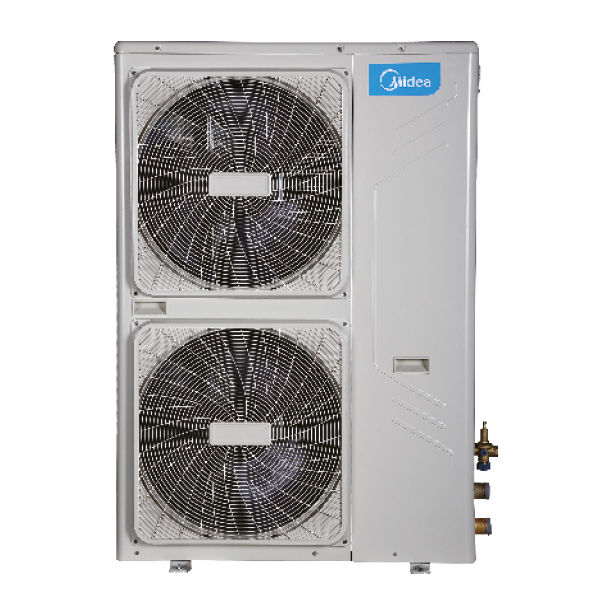
What is a chiller and what is it used for?
A chiller is a piece of equipment designed to cool liquids, usually water, that circulate in refrigeration systems. The chilled water is used to reduce the air temperature in environments or to keep products and machines in ideal operating conditions.
This device is very common in industries, hospitals, shopping centers, and even in large-scale air conditioning systems. Its use prevents equipment from overheating, improves energy efficiency, and protects heat-sensitive products.
How a Chiller Works
The operation of a chiller is based on a refrigeration cycle involving four main components:
Compressor : compresses the refrigerant gas, increasing its pressure and temperature.
Condenser : cools hot gas, transforming it into liquid.
Expansion valve : reduces the pressure of the refrigerant, causing it to evaporate and cool down.
Evaporator : the cold refrigerant absorbs heat from the water, cooling it.
The chilled water exits the evaporator and circulates through the system that requires thermal control. Then, it returns to the chiller to be cooled again, maintaining a constant temperature.
Types of Chillers and Their Applications
There are different types of chillers, each suited to specific needs:
Air-cooled chiller : uses fans to dissipate heat into the environment. It is simpler and suitable for locations with open space and good ventilation.
Water-cooled chiller : uses cooling towers to remove heat. Ideal for large industrial facilities that require high cooling capacity.
Portable chiller : compact and mobile, used in temporary applications or in confined spaces.
For example, in the pharmaceutical industry, water-cooled chillers ensure the ideal temperature for drug production, while in commercial offices, air-cooled chillers maintain efficient air conditioning.
Benefits of Using a Chiller
The use of chillers brings important advantages to companies and industrial processes:
Precise temperature control : prevents variations that could compromise product quality.
Equipment protection : reduces the risk of overheating and malfunctions.
Energy efficiency : well-designed systems consume less energy compared to alternative methods.
Longer system lifespan : maintaining the ideal temperature extends the durability of equipment.
Furthermore, the chiller contributes to a more comfortable and safe working environment, especially in locations where the heat generated by machinery is intense.
Chiller Care and Maintenance
To ensure the chiller's performance, regular maintenance is essential. Some important maintenance tasks include:
Check the refrigerant level and quality.
Clean filters and coils to prevent blockages.
Inspect connections and pipes to prevent leaks.
Monitor the operation of the compressor and fans.
Preventive maintenance avoids unexpected downtime and high repair costs, as well as maintaining the system's energy efficiency.
Practical Examples of Chiller Use
In the food industry, chillers are used to cool food processing equipment, ensuring that the temperature does not compromise product safety. In hospitals, chillers maintain medical equipment such as MRI machines at ideal temperatures for safe operation.
Another example is in data centers, where temperature control is crucial to prevent servers from overheating. The chiller cools the air circulating in these environments, protecting the equipment and ensuring service continuity.
Maintaining the ideal temperature for equipment and products is a challenge that chillers solve efficiently and safely. Understanding how they work helps in choosing the right model and taking good care of the equipment, ensuring consistent results and long-term savings. If you are looking to control the temperature in your company, investing in a suitable chiller is an essential step to protect your assets and improve productivity.